
Senior UX Researcher CX Strategist Minneapolis — Remote
I find the workaround.
Every organization has an official story of how work gets done — and a second one that only shows up in the field.
The spreadsheet somebody keeps on the side. The sticky note on the monitor. The call that gets escalated twice. That second story is where the real system lives, and it's usually where the money is leaking.
I go find it — in the field, next to the work, with the people doing it — then make it impossible for an organization to keep routing around.
- Research
- 5 years, mixed-methods
- Before that
- 12 years frontline service
- Industries
- Fintech · Healthtech · Govtech
- Working style
- Remote-first, since 2021
Selected clients & employers






Selected
work
Four projects where research changed what got built — not just what got documented.
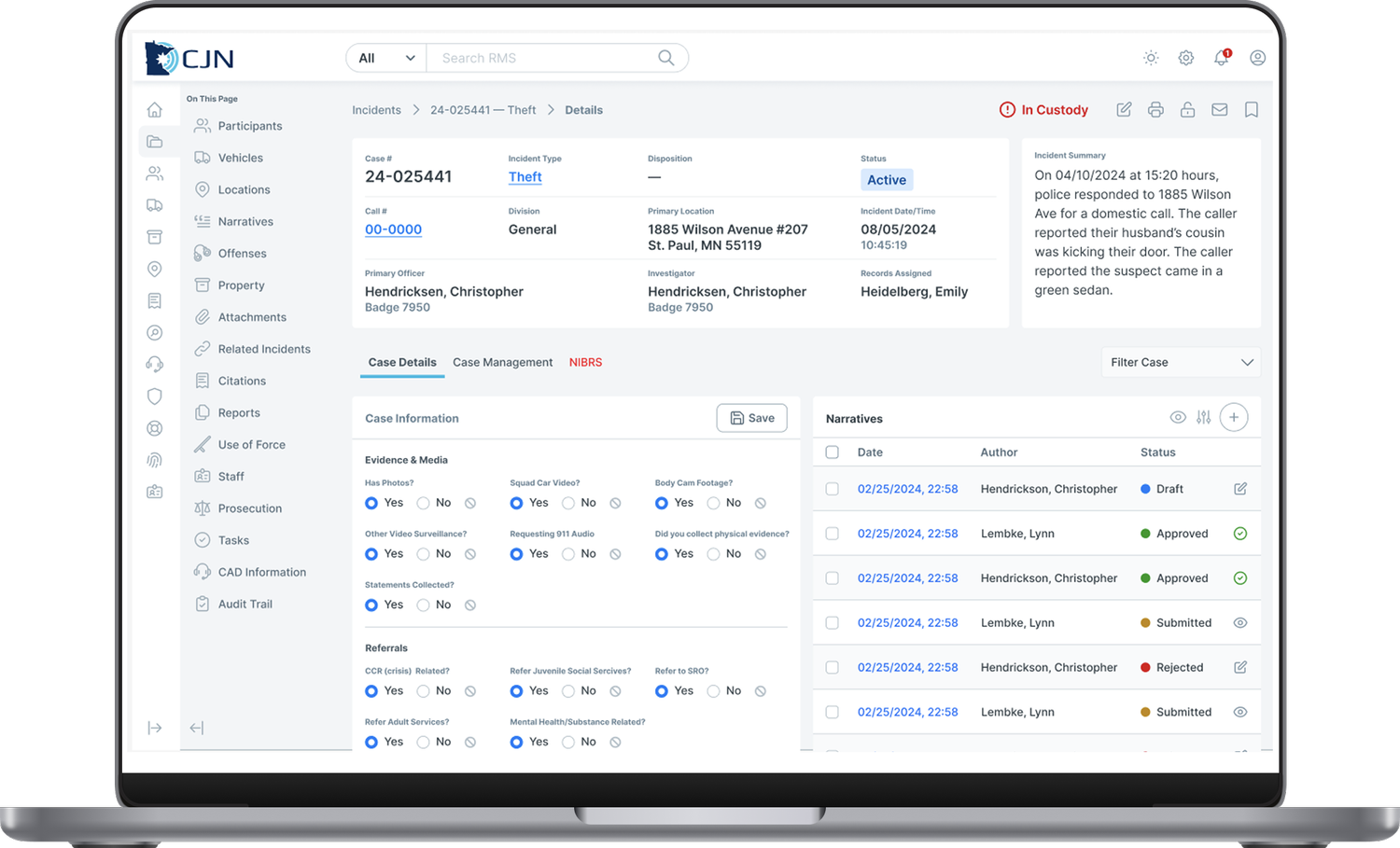
Rebuilding the system officers actually use in the field
Read the case study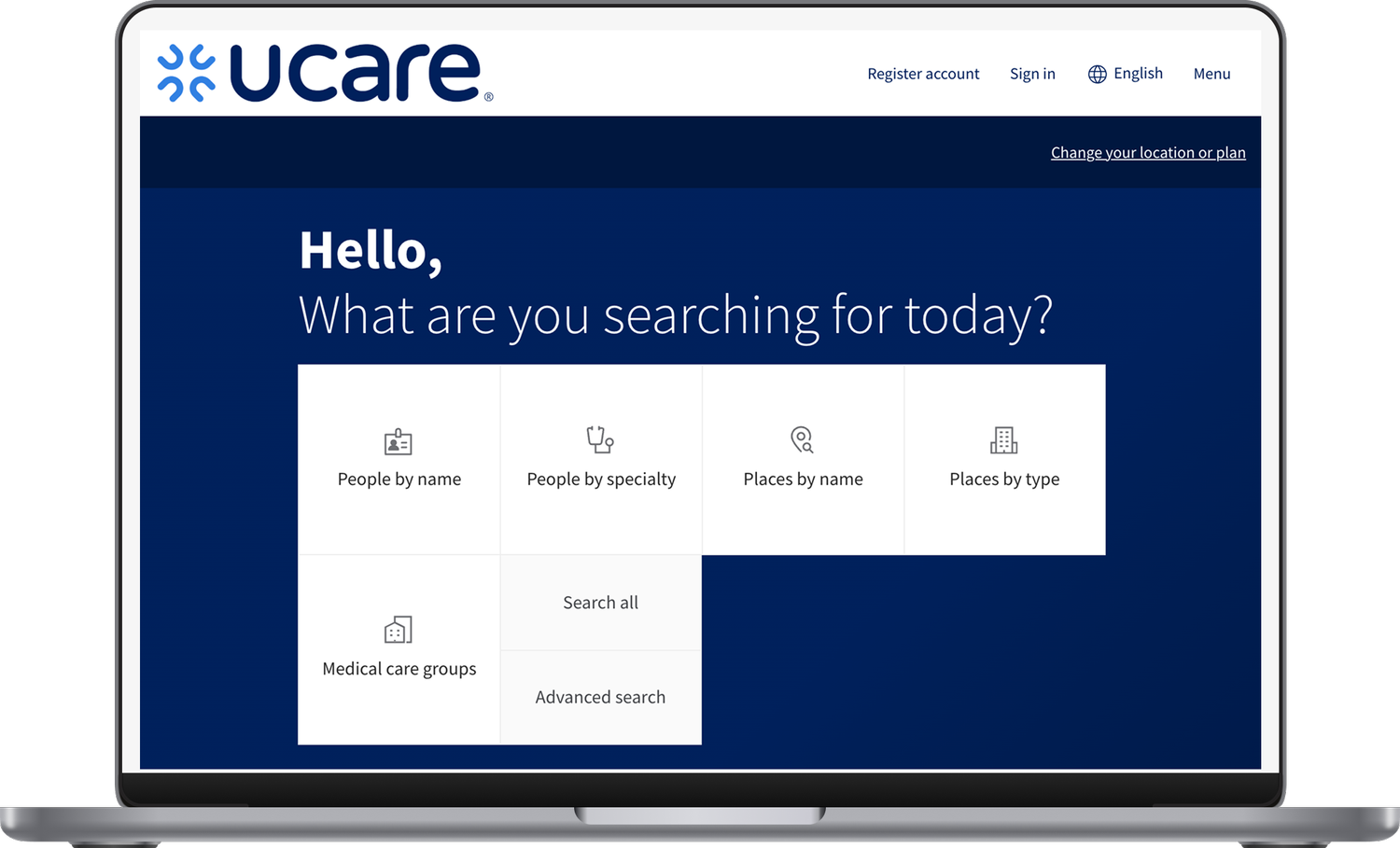
Finding where members actually give up on provider search
Read the case study
An audit that turned into a 15% lift in sales
Read the case study
Merging two healthcare portals into one intranet people can navigate
Read the case study“I would rather watch someone do the job badly, in their own building, than ask them to describe it in a conference room.”
- 20+primary users observed in their own workspace across one engagement
- 50+interviews and contextual inquiry sessions run end to end
- 40–45%of repeat calls traced to a single broken process
- 4distinct user groups usability-tested on one platform before code
How I
work
Not a process diagram. Three things that decide whether research changes anything.
-
01
Go where the work happens
Ride-alongs, side-by-sides, shadowing a records clerk for a morning. People can't report the workaround because to them it isn't a workaround — it's just Tuesday. You have to see it.
-
02
Make the invisible legible
Journey maps that a non-researcher can read. A single sentence that converts a vague complaint into a scoped problem with an owner and a date. If leadership can't act on it, it isn't finished.
-
03
Stay in the room
Through grooming, through build, through UAT. Research that ends at the readout gets quietly re-scoped by people who never heard the interview. The value is in staying.
About
I'm a mixed-methods researcher with five years leading discovery and evaluative work across financial services, regulated healthcare, govtech, and enterprise platforms — preceded by twelve years on a customer-facing service floor.
That order matters. I learned to read a room before I learned to write a discussion guide, so my studies tend to answer the question a team was about to spend a quarter guessing at.
I scope the ambiguous problem, run the fieldwork myself, and stay in the room through delivery — enough polish to be trusted with executives, enough scrappiness to book the ride-along.
“Comfortable being the least senior person in the room, in someone else's workplace, asking why they do it that way.”
SENIOR UX RESEARCHER · CX STRATEGIST · MINNEAPOLIS — REMOTE
I FIND THE WORKAROUND.
Every organization has an official story of how work gets done — and a second one that only shows up in the field.
The spreadsheet somebody keeps on the side. The sticky note on the monitor. The call that gets escalated twice. That second story is where the real system lives, and it's usually where the money is leaking.
I go find it — in the field, next to the work, with the people doing it — then make it impossible for an organization to keep routing around.
RESEARCH
5 years, mixed-methods
BEFORE THAT
12 Years - Frontline
INDUSTRIES
FinTech HealthTech Gov Tech
WORK STYLE
Remote First